
Copper Peptide Antioxidant Activity: What Cell-Culture Studies Report
Research Use Only. For laboratory research use only — not for human or animal consumption.
Research Use Only. All Premier Research products are supplied strictly for in vitro laboratory investigation. Not intended for human or veterinary consumption, therapeutic use, dietary supplementation, or clinical application. Not FDA-approved.
What does the published literature actually measure when a paper describes "GHK-Cu antioxidant activity"? The short answer: reactive oxygen species levels, gene expression changes, and enzyme cofactor availability inside cultured cells, not an outcome in a person or animal. This overview walks through what the cell-culture literature reports, what assay types are used, and where the evidence stops.
Table of Contents
- What Cell-Culture Models Are Used to Study Copper Peptide Antioxidant Activity
- How Reactive Oxygen Species Levels Changed in Oxidatively Stressed Fibroblast Cultures
- Comparing Assay Types Reported in the GHK-Cu Antioxidant Literature
- What Copper Coordination Chemistry Explains About Reported Cofactor Effects
- Why Copper-Binding Strength Did Not Predict Antioxidant Activity in a 2025 Screening Study
- What the In Vitro Antioxidant Literature Does Not Establish
- How Lyophilized Copper Peptide Material Is Stored Between Synthesis and Assay Setup
- FAQ
- Research Materials
What Cell-Culture Models Are Used to Study Copper Peptide Antioxidant Activity
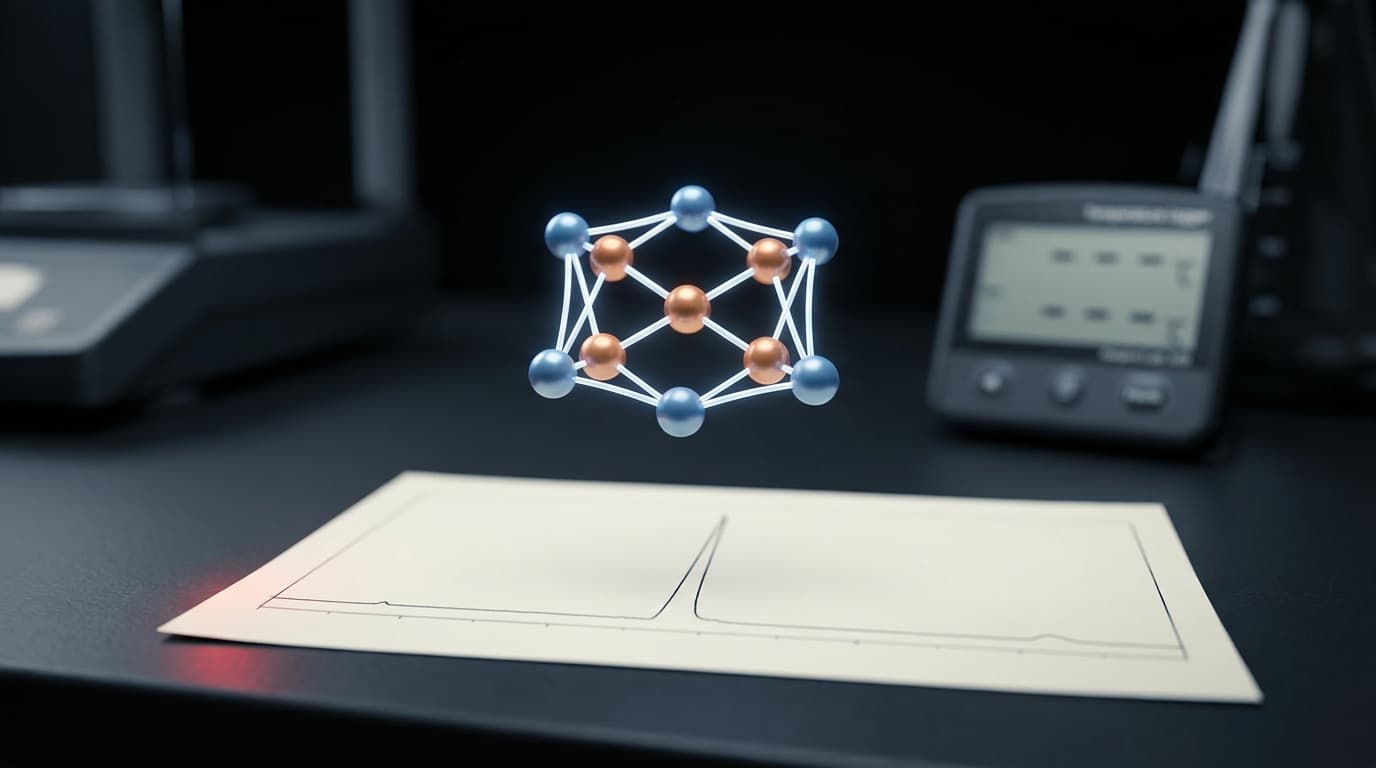
Published work on GHK-Cu antioxidant activity relies primarily on cultured human dermal fibroblasts, keratinocyte lines, and hair-follicle explant cultures rather than whole-organism models. GHK-Cu is the shorthand used in the literature for the copper(II) coordination complex of the tripeptide glycyl-L-histidyl-L-lysine, forming a stable square-planar chelate at physiological pH (Pickart and Margolina, International Journal of Molecular Sciences 2018).
Assay endpoints reported across these models include reactive oxygen species (ROS) levels measured by fluorescent probes, lipid peroxidation markers, and downstream gene expression panels. Each of these is a laboratory readout tied to a specific culture system and a specific stressor, not a general statement about biological effect.
The subject of every sentence in this section is the assay or the cultured cell line, never a person; that framing matches how the underlying papers are written.
How Reactive Oxygen Species Levels Changed in Oxidatively Stressed Fibroblast Cultures
Pickart and Margolina (2018, International Journal of Molecular Sciences) summarize multiple cell-culture reports in which GHK-Cu exposure was associated with reduced measured ROS levels in fibroblasts subjected to an oxidative stressor. The same review describes gene-profiling data in which numerous genes annotated to cellular stress response and antioxidant defense pathways showed altered expression in treated cultures.
These are reported associations within a specific in vitro system. The review does not describe a clinical outcome or a human trial, and no such extrapolation is made here.
A short table below summarizes the assay types most commonly cited in this literature.
Comparing Assay Types Reported in the GHK-Cu Antioxidant Literature
| Assay type | What it measures | Typical model system |
|---|---|---|
| Fluorescent ROS probe | Intracellular reactive oxygen species level | Cultured human dermal fibroblasts |
| Lipid peroxidation marker | Oxidative damage to membrane lipids | Oxidatively stressed cell culture |
| Gene expression panel | Transcript-level change across stress-response genes | Fibroblast or keratinocyte culture |
| Enzyme cofactor assay | Copper availability for antioxidant metalloenzymes | Cell lysate or purified enzyme system |
This table reflects assay categories described across the cited reviews, not a single unified study design. Comparing two papers by assay type first, and by numeric result second, is the more reliable way to read this body of work.
What Copper Coordination Chemistry Explains About Reported Cofactor Effects
The square-planar copper(II) chelate structure of GHK-Cu is the same coordination geometry researchers point to when discussing copper delivery to copper-dependent enzymes such as superoxide dismutase. A 2018 review published in Cosmetics (an MDPI journal; Pickart, 2018) discusses this cofactor angle alongside collagen-related findings, noting that antioxidant defense and copper-dependent enzyme activity are frequently discussed together in the skin-biology literature.
Copper cofactor activity here refers to copper's structural role in an enzyme's catalytic site, not a therapeutic claim. The distinction matters when reading secondary summaries of this work, since "copper delivery to an enzyme" and "antioxidant benefit" are not interchangeable statements, even when a single paper touches on both.
Why Copper-Binding Strength Did Not Predict Antioxidant Activity in a 2025 Screening Study
A 2025 characterization study screened a panel of copper-binding peptides and reported that copper(II)-binding affinity was not predictive of the measured strength of antioxidant activity across the panel. The dataset, indexed via ScienceDirect, treated chelation strength and antioxidant assay output as two separate measured variables rather than one following automatically from the other.
This finding is a useful caution against assuming that any peptide capable of chelating copper will show proportional antioxidant performance in an assay.
What to remember: coordination chemistry and measured antioxidant output are related but not interchangeable variables in this literature; a strong chelator is not automatically the strongest antioxidant in a given assay.
What the In Vitro Antioxidant Literature Does Not Establish
Cell-culture ROS reduction and altered gene expression are endpoints measured inside a specific culture system. None of the cited papers report a human clinical outcome.
No study referenced in this overview describes a dosing schedule, an administration route, or a use case. That framing sits outside the scope of in vitro assay literature and outside the scope of a research-use-only compound.
A few practical notes for reading across this body of work:
- Sample sizes and culture conditions vary across the cited reviews; check the specific cell line, stressor, and endpoint before generalizing across studies.
- Gene expression change is not the same as protein-level or functional change; a transcript panel result describes what was measured at the mRNA level, nothing further.
- Different fluorescent ROS probes have different sensitivities; a "reduction" reported with one probe chemistry does not automatically transfer to another.
How Lyophilized Copper Peptide Material Is Stored Between Synthesis and Assay Setup
Reported degradation pathways for lyophilized peptides in the formulation literature include deamidation, oxidation, disulfide scrambling, and aggregation on rehydration, with the slowest reported kinetics for material held at -20°C or colder in sealed containers with desiccant (Manning et al., Pharmaceutical Research 2010). For a copper-coordinated peptide, oxidative degradation pathways are of particular interest given the copper center's redox activity, which is one reason cold, sealed, desiccated storage matters between synthesis and assay setup.
Premier Research stores catalog material at -20°C or colder in sealed foil pouches with desiccant from synthesis through fulfillment, with Karl Fischer water-content and residual-solvent screening applied before release; non-conforming lots are quarantined. Background on how that storage chain relates to peptide stability more broadly is covered in our lyophilized peptide storage overview.
The batch-level certificate of analysis for each lot is published at /coa, where identity confirmation by ESI or MALDI-TOF mass spectrometry is also recorded.
FAQ
Are copper peptides an antioxidant?
Cell-culture studies report that GHK-Cu is associated with reduced reactive oxygen species levels and altered expression of stress-response genes in fibroblast and related assays. These are in vitro findings describing what the cultured cells and assays measured, not a claim about antioxidant effects in a person or animal.
What are the research findings on GHK-Cu antioxidant activity?
Published reviews, including Pickart and Margolina (2018, International Journal of Molecular Sciences), summarize fibroblast and keratinocyte culture data showing reduced measured ROS and gene-expression changes in antioxidant-pathway genes after GHK-Cu exposure in oxidatively stressed cultures.
Does copper-binding strength predict antioxidant activity in these studies?
No. A 2025 peptide characterization study reported that copper(II)-binding affinity was not predictive of the measured strength of antioxidant activity across a screened panel, indicating that chelation capacity and antioxidant assay output are distinct measured variables.
Is GHK-Cu evaluated or reviewed by the FDA?
No. GHK-Cu sold by Premier Research carries a research-use-only designation on the label and on each batch certificate of analysis. It is not evaluated by the FDA and is not intended for human or veterinary use; it is supplied strictly for in vitro laboratory investigation.
Research Materials
GHK-Cu synthesized to at least 99% purity by RP-HPLC, with identity confirmed by ESI or MALDI-TOF mass spectrometry, is listed on the GHK-Cu product page, with the batch-specific certificate of analysis linked from /coa.
Frequently Asked Questions
Are copper peptides an antioxidant?
Cell-culture studies report that GHK-Cu is associated with reduced reactive oxygen species levels and altered expression of stress-response genes in fibroblast and related assays. These are in vitro findings describing what the cultured cells and assays measured, not a claim about antioxidant effects in a person or animal.
What are the research findings on GHK-Cu antioxidant activity?
Published reviews, including Pickart and Margolina (2018, International Journal of Molecular Sciences), summarize fibroblast and keratinocyte culture data showing reduced measured ROS and gene-expression changes in antioxidant-pathway genes after GHK-Cu exposure in oxidatively stressed cultures.
Does copper-binding strength predict antioxidant activity in these studies?
No. A 2025 peptide characterization study reported that copper(II)-binding affinity was not predictive of the measured strength of antioxidant activity across a screened panel, indicating that chelation capacity and antioxidant assay output are distinct measured variables.
Is GHK-Cu evaluated or approved by the FDA?
No. GHK-Cu sold by Premier Research carries a research-use-only designation on the label and on each batch certificate of analysis. It is not evaluated by the FDA and is not intended for human or veterinary use; it is supplied strictly for in vitro laboratory investigation.